NEET Biology NCERT Doubts: Human Physiology — 15 Most Asked Questions
By rohit.pandey1
|
Updated on 10 Jul 2026, 12:22 IST
Human Physiology is one of the most high-yielding units in the NEET Biology syllabus, regularly accounting for 12 to 14 questions. Because it involves intricate feedback mechanisms, pressure changes, and interconnected biological processes, students often find it difficult to grasp on a first read.
While NCERT is the primary source for NEET Biology, its concise style can sometimes leave gaps in understanding. This guide answers 15 of the most common Human Physiology doubts students have while preparing for NEET, breaking down complex topics into clear answers backed by exact NCERT insights.
Digestion and Absorption Doubts
Q1: What is the role of HCl in the stomach?
HCl creates the highly acidic environment (pH 1.8) needed to convert the inactive proenzyme pepsinogen into active pepsin. It also kills harmful bacteria that enter the stomach with food and provides the optimal pH for gastric lipases to begin breaking down fats.
Q2: How does absorption differ in the small intestine and large intestine?
The small intestine is the principal organ for nutrient absorption. Its wall is lined with villi and microvilli that create a massive surface area to absorb glucose, amino acids, fatty acids, and glycerol via active, passive, or facilitated transport.
The large intestine does not perform significant digestive work. Its function is limited to absorbing water, some minerals, and certain drugs, while secreting mucus to lubricate waste particles for elimination.
Q3: What is the difference between pepsin and trypsin?
Both are protein-digesting enzymes, but they operate in different areas of the digestive tract and require completely different pH levels to function:
| Feature | Pepsin | Trypsin |
| Secreted by | Gastric glands (as inactive pepsinogen) | Pancreas (as inactive trypsinogen) |
| Site of action | Stomach | Small intestine |
| Optimum pH | Highly acidic (pH 1.8) | Alkaline (pH 7.8) |
| Activator | Hydrochloric acid (HCl) | Enterokinase (from intestinal mucosa) |
Q4: Why is bile not an enzyme but still important for digestion?
Bile does not contain any digestive enzymes, so it cannot chemically break down food. However, it contains bile salts that are absolutely vital for emulsification — the process of breaking down large, complex fat globules into tiny droplets called micelles. This vastly increases the surface area available for pancreatic lipases to split fat molecules. Bile is also responsible for activating these lipases. 💡 Quick Revision Tip: Do not confuse enzyme production with digestive function. HCl, pepsin, and bile work together but perform completely different roles. HCl creates the acidic environment, pepsin digests proteins, and bile emulsifies fats.
3. Breathing and Gas Exchange Doubts
Q5: How is oxygen transported in the blood?
Oxygen is carried through the bloodstream via two distinct pathways:

- As oxyhaemoglobin (97%): oxygen binds reversibly with the iron component of haemoglobin inside red blood cells (RBCs). One haemoglobin molecule can carry a maximum of four oxygen molecules.
- Dissolved in plasma (3%): a tiny remaining fraction of oxygen dissolves directly into the liquid blood plasma, since oxygen has low solubility in water.
Q6: What is the Bohr effect and why does it matter?
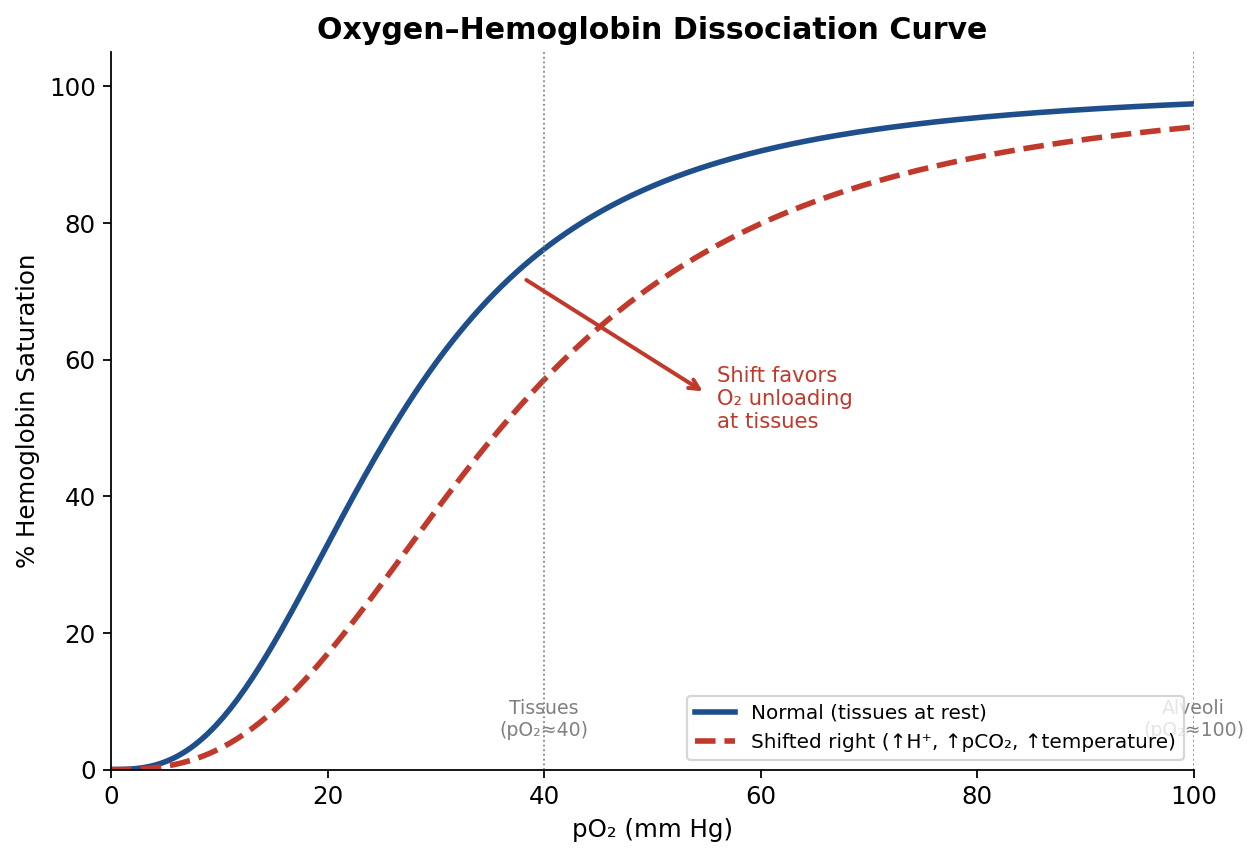
The Bohr effect explains why haemoglobin releases more oxygen in actively working tissues. When metabolic activity increases in tissues, carbon dioxide levels rise (pCO₂), temperature goes up, and pH drops (high H⁺ concentration). These conditions shift the oxygen-haemoglobin dissociation curve to the right, lowering haemoglobin's affinity for oxygen and forcing it to release oxygen right where the body needs it most.
Q7: How are respiratory volumes measured?
Respiratory volumes are assessed clinically using an instrument called a spirometer. This tool records the volume of air moving in and out of the lungs to help doctors evaluate pulmonary function. Note for NEET that Residual Volume (RV) cannot be measured using a spirometer, because that air remains trapped inside the lung alveoli and cannot be exhaled.
Best Courses for You

JEE

NEET

Foundation JEE

Foundation NEET

CBSE
Q8: What is the difference between tidal volume and vital capacity?
- Tidal Volume (TV): the volume of air you inspire or expire during normal, relaxed breathing — roughly 500 mL for a healthy young male.
- Vital Capacity (VC): the maximum volume of air a person can exhale completely after a forced, deep inspiration — the total usable capacity of the lungs.
- Formula to remember: VC= TV + IRV + ERV
NEET Tip: Questions on respiratory volumes often test equations. Practice grouping TV, IRV, ERV, VC, and TLC together using simple formulas rather than trying to memorize individual values in isolation.
- Body Fluids and Circulation Doubts
Q9: Why is the human circulatory system called double circulation?
The human heart is split cleanly into a right and a left half, preventing oxygen-rich blood from mixing with oxygen-poor blood. Blood passes through the heart twice to complete one full journey through the body:
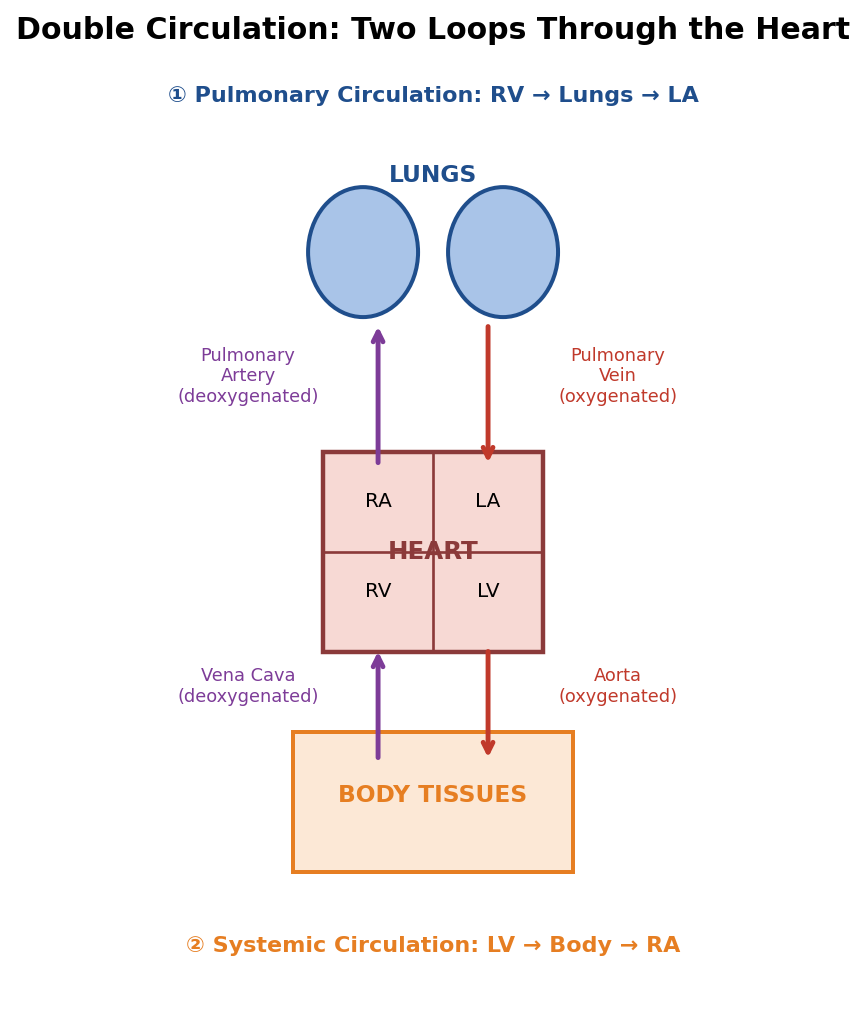
- Pulmonary circulation: deoxygenated blood travels from the right ventricle to the lungs for gas exchange, returning to the left atrium as oxygenated blood.
- Systemic circulation: oxygenated blood is pumped from the left ventricle out to all body tissues, returning to the right atrium as deoxygenated blood.
Q10: What triggers the heartbeat — is it myogenic or neurogenic?
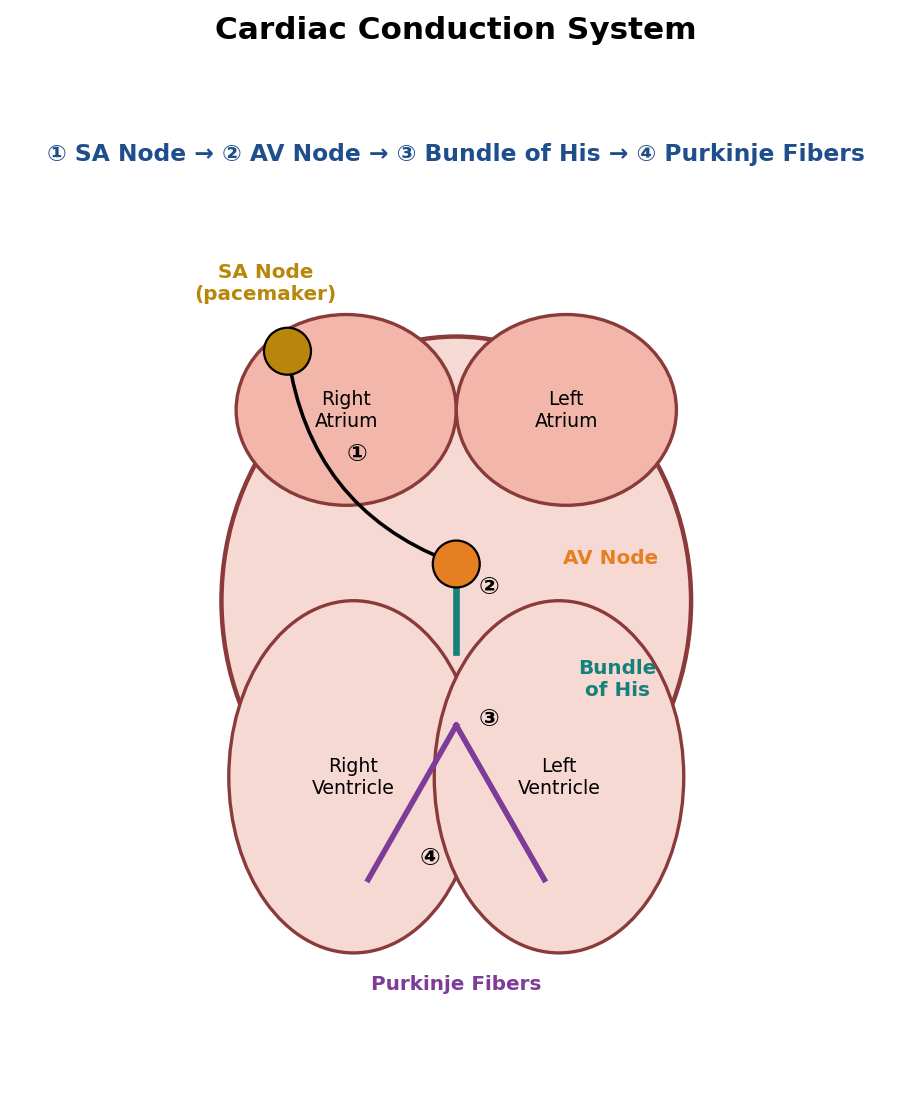
The human heartbeat is myogenic. The electrical impulse that causes the heart muscle to contract originates entirely within the heart itself, specifically from a specialised cluster of auto-excitable muscle cells called the Sinoatrial Node (SAN), or pacemaker. The nervous system can accelerate or slow the pulse via autonomic nerves, but it does not start the heartbeat.
Q11: How does the cardiac cycle work step by step?
The entire cardiac cycle takes roughly 0.8 seconds to complete and runs through three consecutive phases:
- Joint diastole (0.4 s): all four chambers are relaxed. Blood from the major veins flows passively into the atria and passes straight through the open tricuspid and bicuspid valves into the ventricles.
- Atrial systole (0.1 s): the SAN fires an electrical signal, causing both atria to contract simultaneously. This squeeze forces an extra 30% of blood down into the ventricles.
- Ventricular systole (0.3 s): the electrical impulse spreads through the ventricles via the AV node and Purkinje fibers, causing the ventricles to contract. This pressure snaps the tricuspid and bicuspid valves shut (creating the first heart sound, ‘LUBB’) and pumps blood out through the semilunar valves into the aorta and pulmonary artery.
As the ventricles relax (ventricular diastole), the semilunar valves snap shut to prevent blood from flowing backward (creating the second heart sound, ‘DUPP’), and the next cardiac cycle begins.
Q12: What are the differences between arteries, veins, and capillaries?
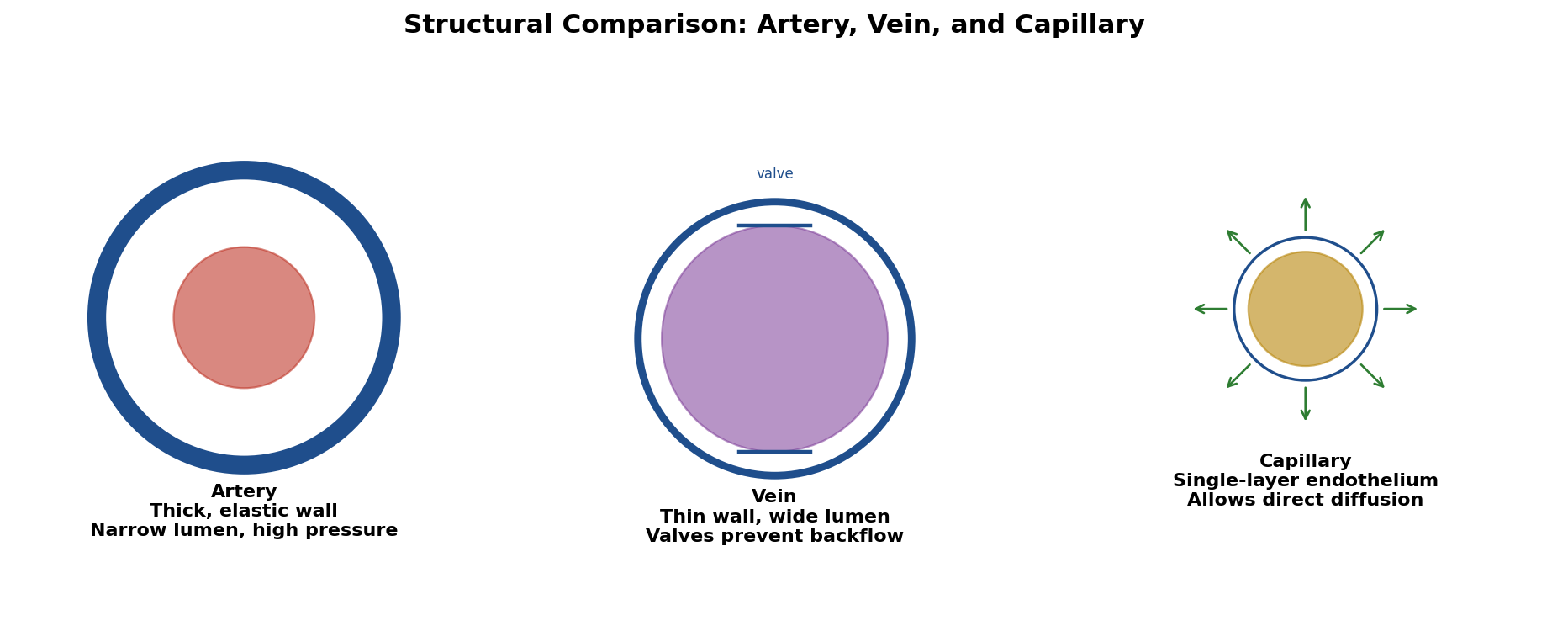
- Arteries: deeply placed vessels that carry blood away from the heart, with thick, highly elastic walls and narrow lumens to handle blood moving under high pressure. Exception: arteries carry oxygenated blood except the pulmonary artery, which transports deoxygenated blood to the lungs.
- Veins: superficial vessels that return blood to the heart, with thin walls, wide lumens, and internal valves to keep low-pressure blood moving forward. Exception: veins carry deoxygenated blood except the pulmonary vein, which brings fresh oxygenated blood back from the lungs.
- Capillaries: ultra-thin, single-layered vessels connecting arterioles to venules. Their walls consist only of simple endothelium, allowing nutrients, gases, and cellular wastes to diffuse easily between the bloodstream and surrounding tissues.
💡 Quick Revision Tip: NEET examiners frequently exploit the exceptions to structural trends. Always remember that the pulmonary artery and pulmonary vein reverse the typical oxygenation rules for blood vessels.
5. Excretory Products and Their Elimination Doubts
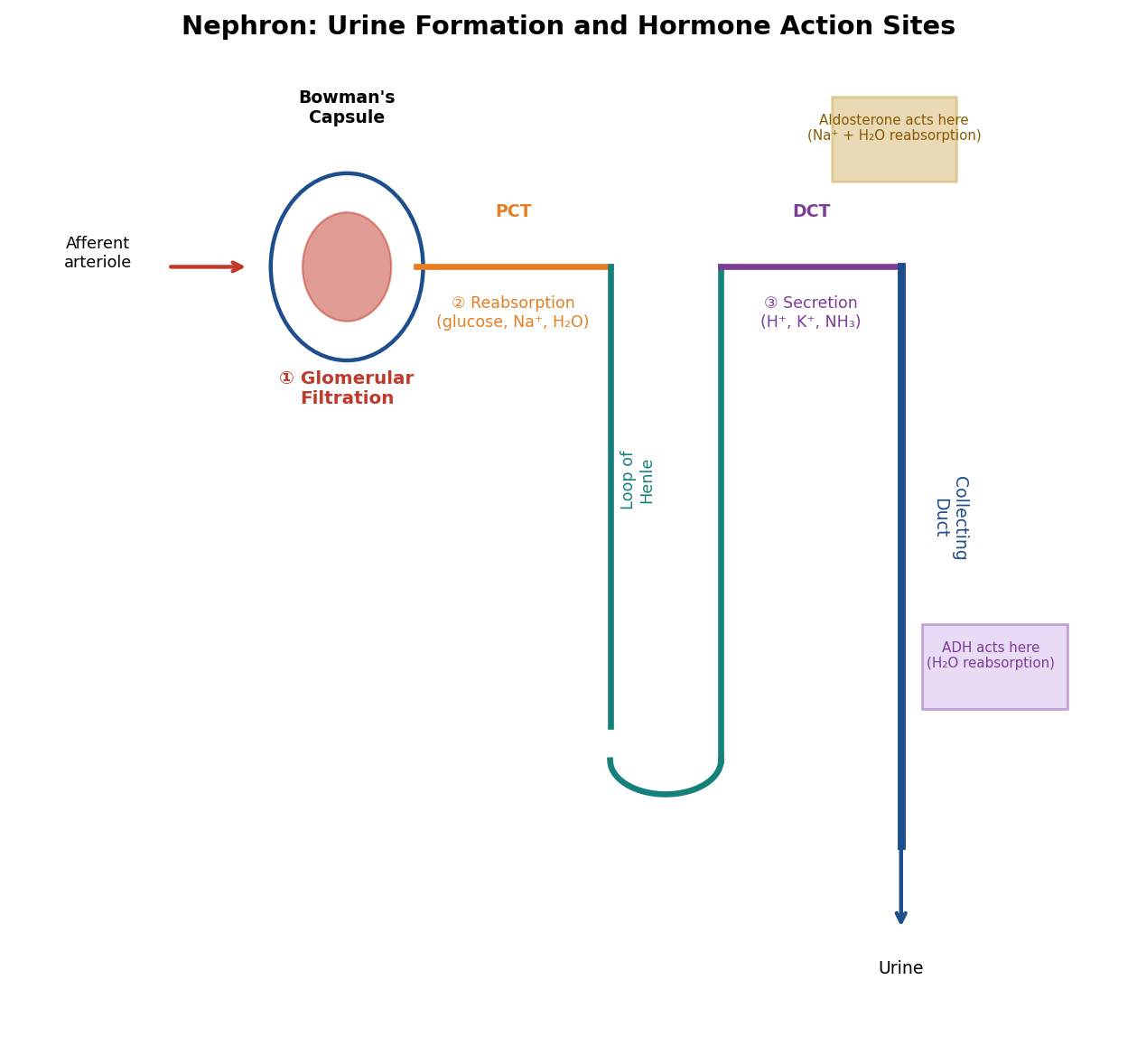
Q13: How is urine formed in the nephron?
Urine production follows three separate steps within individual nephrons:
- Glomerular filtration: blood is forced through the glomerular capillaries under high pressure, filtering almost all blood components except large plasma proteins out into Bowman's capsule.
- Selective reabsorption: as this filtrate travels along the renal tubules, the kidney reabsorbs 99% of the fluid. Valuable nutrients like glucose, amino acids, and Na⁺ ions are actively pumped back into the blood, while water follows passively.
- Tubular secretion: the cells lining the tubule actively pump waste ions (H⁺, K⁺, and ammonia) directly into the moving filtrate to maintain a stable blood pH and ionic equilibrium.
Q14: What is the counter-current mechanism?
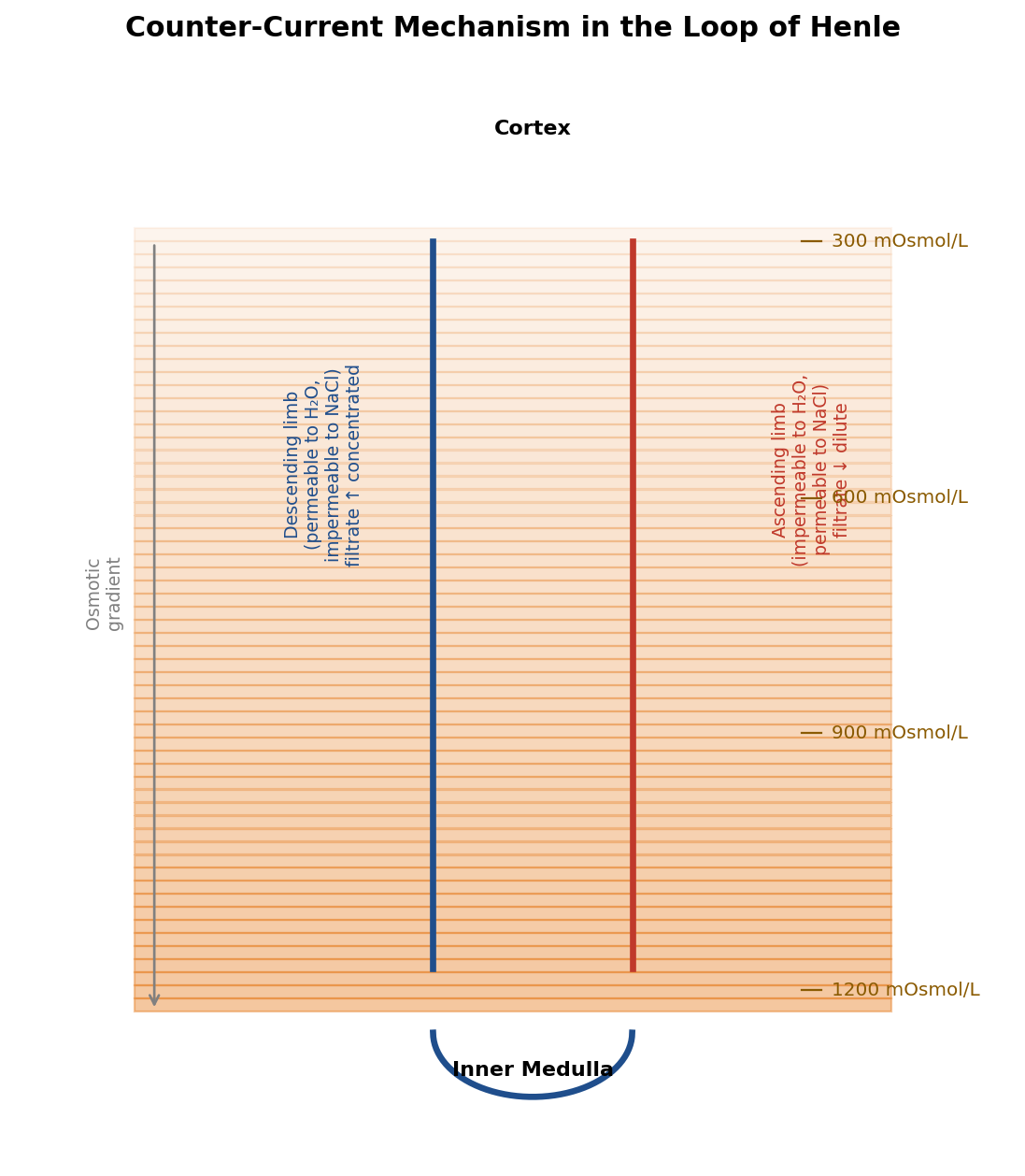
The counter-current mechanism concentrates urine to prevent excessive water loss. It relies on fluid flowing in opposite directions through two U-shaped tubes located in the renal medulla: the Loop of Henle and the surrounding Vasa Recta.
The ascending limb of the Loop of Henle actively pumps sodium chloride (NaCl) out into the surrounding tissue space but keeps water locked inside. Meanwhile, the descending limb lets water escape easily but holds onto salt.
This creates a steep salt gradient in the kidney tissue, with concentration rising from 300 mOsmol/L near the outer cortex to 1200 mOsmol/L deep within the inner medulla. When dilute waste fluid passes down the collecting duct, this surrounding salty environment draws water out rapidly via osmosis, producing highly concentrated urine.
Q15: How do ADH and aldosterone regulate kidney function?
Both hormones prevent dehydration and blood pressure drops, but they act through different pathways:
- Antidiuretic Hormone (ADH): synthesised in the hypothalamus and released by the posterior pituitary when blood concentration rises. It increases the water permeability of the Distal Convoluted Tubule (DCT) and collecting duct, directly pulling water back into the body.
- Aldosterone: released by the adrenal cortex when a blood pressure drop triggers the Renin-Angiotensin system. It causes the DCT to reabsorb Na⁺ ions and water actively, raising total blood volume and restoring systemic pressure.
NEET Tip: Remember their biochemical origin points clearly. ADH is synthesized in the hypothalamus and only stored/released by the posterior pituitary. Mistaking this origin point is a common reason students lose marks on matching questions.
6. NCERT Page References for Each Answer
| Question | NCERT Chapter (Class 11) | High-Yield Topic Location |
| Q1: Role of HCl | Digestion and Absorption | Gastric Secretions |
| Q2: Intestinal Absorption | Digestion and Absorption | Absorption of Digested Products |
| Q3: Pepsin vs Trypsin | Digestion and Absorption | Chemical Digestion Process |
| Q4: Function of Bile | Digestion and Absorption | Role of Accessory Glands |
| Q5: Oxygen Transport | Breathing and Exchange of Gases | Transport of Gases in Blood |
| Q6: Bohr Effect | Breathing and Exchange of Gases | Oxyhaemoglobin Dissociation Curve |
| Q7 & Q8: Respiratory Volumes | Breathing and Exchange of Gases | Pulmonary Volumes and Capacities |
| Q9: Double Circulation | Body Fluids and Circulation | Systemic and Pulmonary Circuits |
| Q10 & Q11: Heartbeat & Cardiac Cycle | Body Fluids and Circulation | Nodal Tissue and Cardiac Phases |
| Q12: Blood Vessels | Body Fluids and Circulation | Arterial and Venous Anatomy |
| Q13: Urine Formation | Excretory Products and Their Elimination | Ultrafiltration and Tubular Processing |
| Q14: Counter-current Mechanism | Excretory Products and Their Elimination | Medullary Interstitial Osmolarity |
| Q15: Hormonal Regulation | Excretory Products and Their Elimination | Feedback Loops (JGA, ADH, ANF) |
7. How Infinity Learn Helps with NEET Biology Doubts
Mastering the intricate mechanics of human physiology requires interactive problem-solving and immediate clarification when you hit a conceptual wall. Infinity Learn supports your learning journey through:
- NCERT-aligned doubt sessions: live, interactive question-and-answer classes where educators unpack complex textbook lines and tricky physiological feedback pathways.
- Community-driven doubt forums: post your individual biology questions 24/7 and receive verified, step-by-step structural explanations from subject experts.
- Targeted video explanations: access a comprehensive library of concise video guides focused entirely on clarifying conceptual traps like the cardiac cycle, Bohr effect shifts, and renal concentration mechanisms.
Human Physiology questions in NEET Syllabus test your understanding of directional shifts, chemical gradients, and structural variations. Instead of trying to memorise these processes passively, try maintaining a dedicated doubt journal. Document every textbook passage or question that trips you up, sketch out the feedback loops or concentration gradients by hand, and review your personal notes alongside the NCERT textbook to build reliable exam-day confidence.
course
No courses found
FAQs: NEET Biology NCERT Doubts
Which human physiology topics are most asked in NEET?
The counter-current mechanism in excretion, respiratory volume calculations, the step-by-step mechanics of the cardiac cycle, and the enzymatic pathways of chemical digestion are highly prioritised topics by NEET paper setters.
How do I study human physiology from NCERT effectively?
Avoid reading chapters passively like a storybook. Focus on tracing the physical path of substances (like food, air, or filtrate) through the respective organ systems. Correlate text descriptions directly with the official figures, and practice drawing the feedback mechanisms from memory.
Where can I ask NEET Biology doubts online?
Students can leverage academic support systems like the Infinity Learn platform to submit specific textbook questions, interact with experienced online mentors, and access structured solution blueprints.
Are diagrams important for human physiology in NEET?
Yes. NEET regularly incorporates direct schematic diagrams from the NCERT textbook for visual identification questions such as labelling the parts of a nephron, identifying blood vessel cross-sections, or interpreting the oxygen-haemoglobin dissociation curve.
How many marks does human physiology carry in NEET?
With an average contribution of 12 to 14 questions, this single unit carries a weightage of roughly 48 to 56 marks, making it a critical area for boosting your overall biology score.